A Practical Procurement Guide: Matching Screw Press Sludge Dewatering Equipment to Industry-Specific Requirements
1. Understanding Industry-Specific Sludge Dewatering Demands
Different industries generate sludge with distinct physical and chemical characteristics, requiring tailored dewatering solutions. The selection of a screw press sludge dewatering machine must align with specific operational conditions. Key industry requirements include:
- Municipal wastewater treatment: High volumes, variable solids content, and need for continuous 24/7 operation with low noise and low energy consumption.
- Chemical and pharmaceutical industries: Sludge may contain corrosive substances, requiring corrosion-resistant materials such as SS304 or SS316L.
- Food processing and slaughterhouses: Fatty and oily sludge demands stable flocculation and self-cleaning mechanisms to prevent clogging.
- Textile and paper mills: High fiber content and chemical residues necessitate robust construction and low maintenance.
- Landfill leachate treatment: Complex composition with high organic load requires reliable continuous dewatering and minimal water consumption.
A sludge dewatering system that can adapt to these diverse conditions—while maintaining stable performance, low energy use, and compact footprint—is essential for efficient operations.
2. Three Essential Capabilities of a Qualified Screw Press Supplier
When evaluating a screw press for sludge dewatering supplier, procurement professionals should verify the following three core competencies:
2.1 Proven Industry Experience and Customization
Suppliers with a track record across multiple sectors—municipal, chemical, food, textile—can offer customized solutions. For instance, Jiangsu Benenv Environmental Technologies Co., Ltd., established in 2011, operates a 20,000 m² factory with 200 employees and 50 R&D engineers. Its products, like the Multi-Disk Screw Press, serve over 4,500 projects in more than 60 countries. This breadth of experience demonstrates the ability to tailor equipment to specific sludge types and site conditions.
2.2 Compliance with International Certifications
Certifications validate product quality and safety. Look for suppliers holding ISO 9001 for quality management and CE marking for European markets. For example, Benenv’s Multi-Disk Screw Press is CE-certified (Certificate No. M.2024.206.C97307, standard EN 60204-1:2018) and ISO 9001:2015 certified (Certificate No. 18122Q11896R1M). These credentials ensure the equipment meets stringent global standards.
2.3 Rugged Design for Harsh Environments
A reliable multi-plate screw press must feature corrosion-resistant materials (SS304/SS316L), low-speed operation to reduce wear, and a self-cleaning mechanism to prevent clogging. Benenv’s MDS series, for example, incorporates a clog-free self-cleaning design and operates at low noise levels, making it suitable for continuous operation in demanding industrial settings.
3. Case Study: Dewatering DAF Sludge for a Municipal Facility in the United States
An engineering contractor working with a U.S. municipal government needed to dewater DAF (Dissolved Air Flotation) sludge from a food processing facility. The sludge had high fat and oil content, requiring a screw press dewatering device that could handle sticky material without frequent blockages.
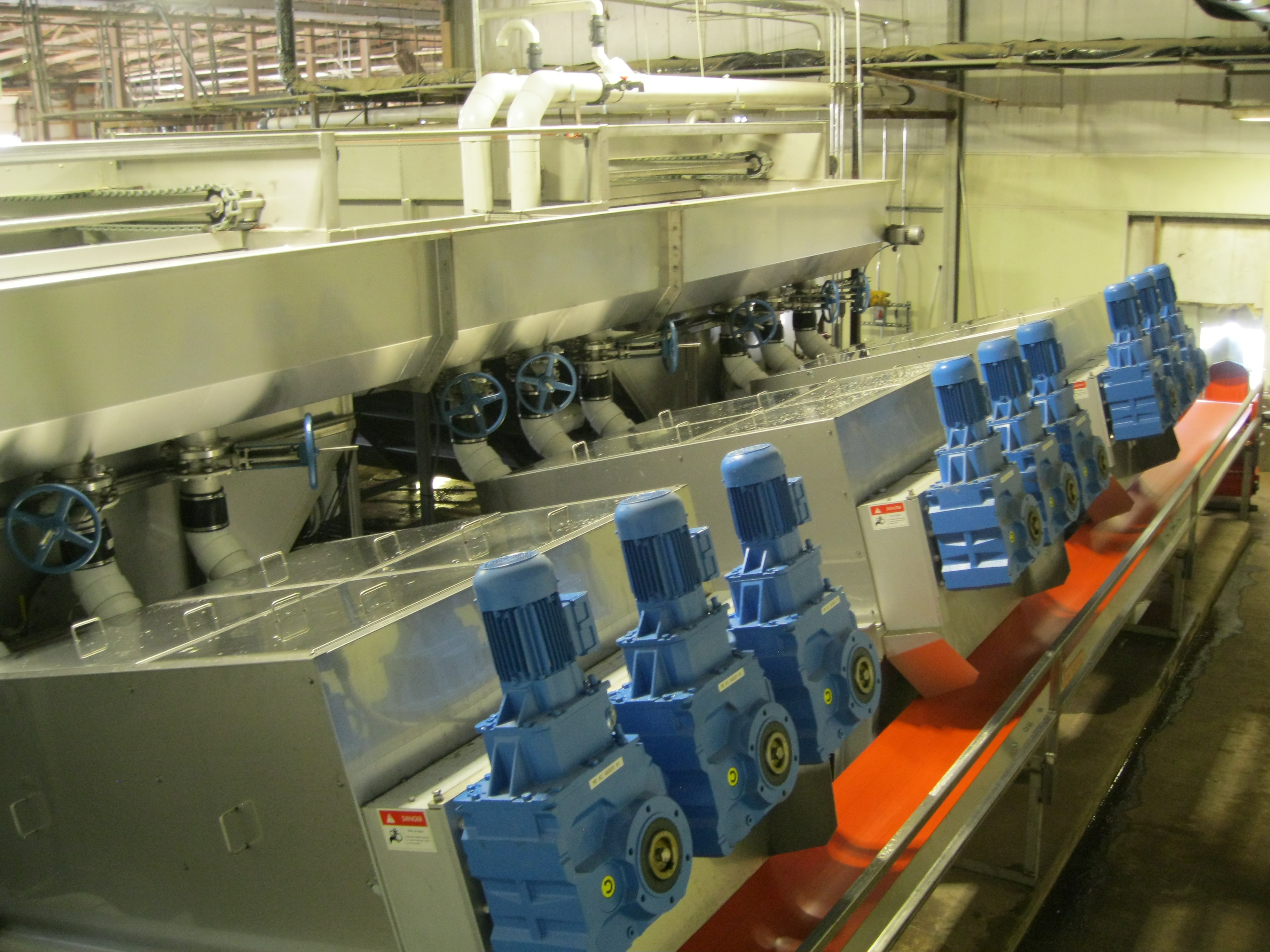
Benenv supplied three units of the MDS353 model (Multi-Disk Screw Press) with the following characteristics:
- Power: 6 kW
- Capacity: 7.2–90 m³/h
- Dry solids (DS) handling: 180–360 kg/h
- Material: SS304/SS316L
- Water consumption: 216 L/h
The self-cleaning mechanism prevented clogging from grease and fibers. After two years of stable operation, the facility reported consistent dewatering performance, reduced disposal costs, and minimal maintenance downtime. This illustrates how a properly matched sludge dewatering wastewater treatment solution can overcome industry-specific challenges.
4. Key Considerations for Supplier Collaboration
To ensure a successful partnership with your screw type sludge dehydrator supplier, address the following points early in the procurement process:
- Define clear industry standards: Specify required certifications (e.g., CE, ISO), material grades (SS304 vs. SS316L), and performance targets (final cake dryness, throughput).
- Conduct on-site survey: Evaluate sludge characteristics (concentration, oil content, viscosity) and site layout. A proper assessment helps optimize polymer dosing and equipment sizing.
- Review risk mitigation strategies: Ensure the supplier offers solutions for common risks—unstable feed, variable sludge properties, wear of screw shaft, and corrosion. Benenv, for example, provides PLC-based automatic control, wear-resistant materials, and a maintenance plan with spare parts supply.
- Negotiate after-sales support: Check for installation guidance, operator training, and emergency technical assistance. Benenv offers comprehensive after-sales support including remote troubleshooting and spare parts delivery.
For a more detailed overview of Benenv’s product range and service capabilities, download the company brochure: Benenv Corporate Brochure.
Have Questions or Need More Details?
Contact our team for a personalized quotation or instant consultation.
Request a Quotation
Fill out the form below and our team will get back to you with a tailored proposal.
WhatsApp Direct Chat
Prefer to chat in real-time? Message us on WhatsApp for instant assistance & quick answers.
- Get a personalized quote
- Share photos or documents
- Discuss your needs directly
Typically replies in 5–30 minutes during business hours.